"Which doctor do I even see for TMJ?" is one of the most common questions we hear — and the answer surprises people. Most TMJ disorders are diagnosed and treated by a dentist with advanced training in jaw joints, bite, and craniofacial pain, not a physician. At the San Francisco Center for TMJ & Sleep Apnea, Dr. Amin Samadian, DDS, is that TMJ doctor for the Bay Area. Call 415-570-2841 to book at 450 Sutter St.

What kind of doctor treats TMJ?

Because a TMJ disorder centers on how the jaw joint, muscles, and bite work together, the clinician best equipped to diagnose it is a dentist with focused TMJ/TMD and craniofacial-pain training. Physicians such as ENTs, neurologists, or pain specialists are sometimes part of a complex case, and oral surgeons handle the rare situations that truly need surgery — but the everyday diagnosis and non-surgical treatment of TMJ is dental. That's why searching for a "TMJ doctor" almost always leads to a TMJ dentist.

Should you see a doctor or a dentist for TMJ?

If your main symptoms are jaw pain, clicking, locking, clenching, or related headaches and ear pressure, a TMJ-focused dentist is the most direct route. They can evaluate your bite and joint in the same visit and begin conservative care. Your physician remains valuable for ruling out unrelated causes, but the definitive TMJ workup — bite analysis, joint and muscle exam, imaging — is done in a dental setting.

When to see a TMJ doctor

  • Jaw pain that has lasted more than a week or two
  • A jaw that locks, catches, or won't open fully
  • Painful or limited chewing
  • Headaches, ear pressure, or ringing without a clear cause
  • Worn or cracked teeth from grinding and clenching

Getting evaluated early usually means simpler, more conservative treatment — and less time living around the pain.

Why patients choose Dr. Samadian

Dr. Samadian concentrates on TMJ disorders, dental sleep medicine, and bite reconstruction, and is a Fellow of the American Academy of Craniofacial Pain who taught at the University of the Pacific, Arthur A. Dugoni School of Dentistry. That depth means your jaw, bite, muscles, and airway are assessed together, so treatment targets the real cause rather than chasing symptoms. More about our TMJ specialist →

Non-surgical treatment, matched to the cause

After diagnosis, care starts with the least invasive effective option — a custom oral orthotic, Botox for overactive jaw muscles, bite correction, or regenerative PRF therapy — and every step is tied back to what your exam actually found. See the full range of TMJ treatment options in San Francisco.

Book a TMJ doctor in San Francisco

Serving San Francisco and the Bay Area from 450 Sutter St, San Francisco, CA 94108. No referral needed; same-week consultations are often available. Call 415-570-2841 or request an appointment online.

Patient holding jaw in discomfort

The Right Door, First Stop Bouncing Between Providers

Many TMJ patients see an ENT for ear pressure, a neurologist for headaches, and a physical therapist for neck tension before anyone examines the jaw joint and bite that connect them. A TMJ doctor evaluates that whole system in one place — often the shortcut that ends months of referrals.

Learn What TMJ Really Is

Reconstruction-grade TMJ & airway care — with our own lab

Most dentists treat TMJ symptoms. Dr. Samadian is a reconstructive and cosmetic dentist who specializes in dental reconstruction for TMJ and airway patients — which means care doesn't stop at managing pain; it can go all the way to rebuilding a bite that years of grinding and joint strain have worn down. He is also one of the few in Northern California with an in-house lab, so orthotics and appliances are designed, crafted, and refined under one roof rather than shipped to a third-party lab.

His integrated method moves through four stages, each matched to what your CT imaging and exam actually show:

  1. Diagnose — CT-based imaging of the jaw joints and airway; no guesswork.
  2. Decompress & stabilizecustom orthotics from our own lab, regenerative PRF therapy, and Botox for overworked jaw muscles.
  3. Develop the airwayNightLase laser therapy, MSE palatal expansion and orthodontics, and oral appliance therapy.
  4. Reconstruct — when teeth have paid the price of years of clenching, full bite reconstruction restores function and esthetics together.

The symptom list we treat is long because the jaw–airway system touches all of it: locked jaw, clicking and popping, jaw deviation, grinding and clenching, ear pain and ringing, headaches and migraines, neck and shoulder pain, and snoring.

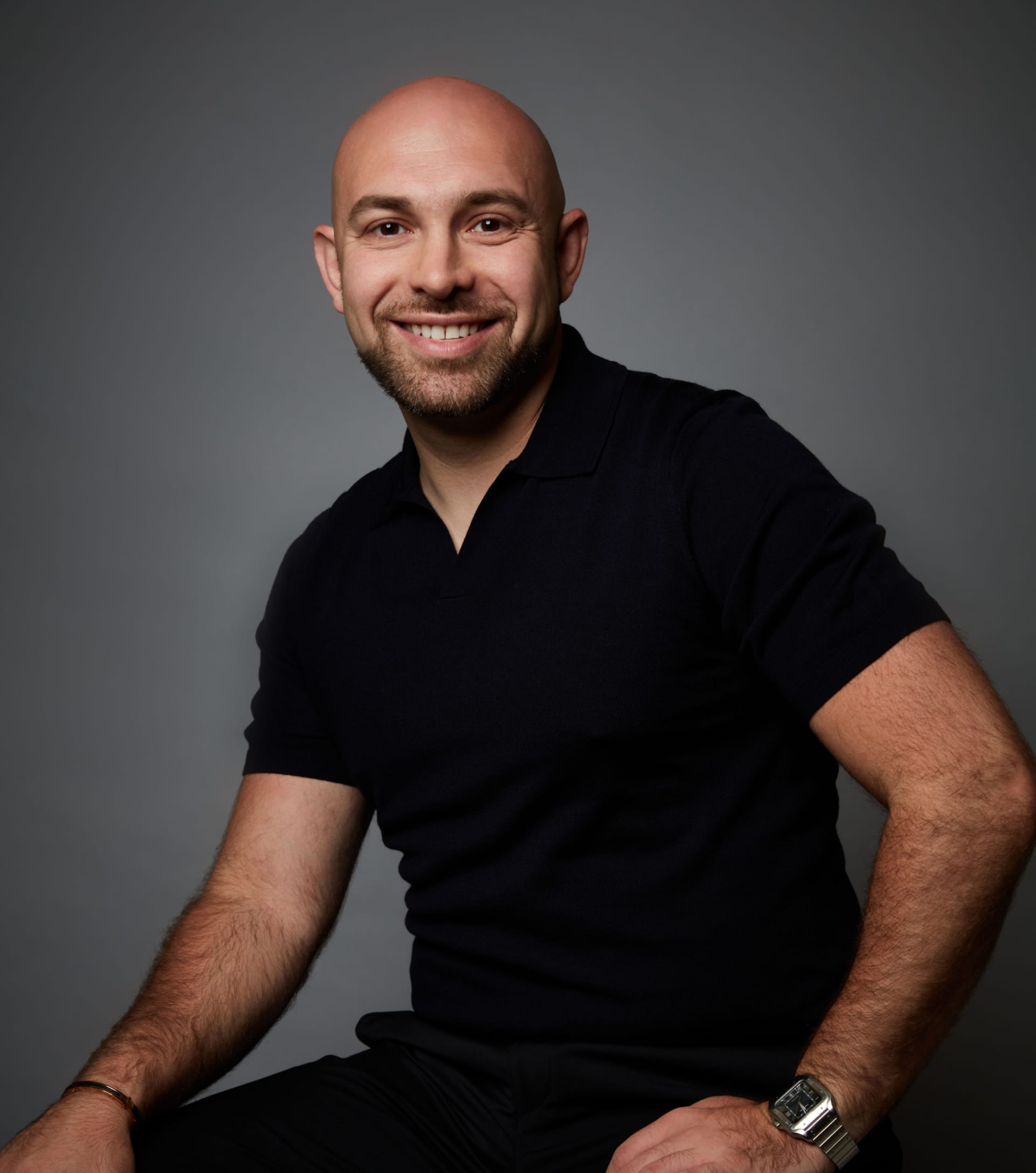
Amin Samadian, D.D.S.

Founder & Clinical Director Amin Samadian, D.D.S.

Dr. Samadian is a Diplomate of the American Board of Dental Sleep Medicine and a Fellow of the American Academy of Craniofacial Pain, with years of clinical hands-on training in full-mouth rehabilitation, cosmetics, implantology, and jaw dysfunction disorders. He taught at the University of the Pacific, Arthur A. Dugoni School of Dentistry — the depth patients mean when they search for a "TMJ doctor."

Meet Dr. Samadian

Schedule Your Appointment

Contact Us Today

Real TMJ patient stories

Patients Dr. Samadian has treated for TMJ disorders share their experience in their own words. Individual results vary.

Lindsay — TMJ patient
Olivia — TMJ patient
Chihiro — TMJ patient

Watch more patient stories →

Testimonials reflect the experiences of individual patients; results vary from person to person.

Common questions

What kind of doctor treats TMJ?

Should I see a doctor or a dentist for TMJ?

When should I see a TMJ doctor?

Do I need a referral to see a TMJ doctor in San Francisco?

What kind of doctor treats TMJ?

Most TMJ disorders are diagnosed and treated by a dentist with advanced training in TMJ/TMD and craniofacial pain, because the condition centers on the bite, jaw joint, and jaw muscles. Oral surgeons or ENT and pain physicians are involved in a minority of complex cases, but conservative, non-surgical care from a TMJ-focused dentist is the standard starting point.

Should I see a doctor or a dentist for TMJ?

For jaw pain, clicking, locking, or clenching, a TMJ-focused dentist is usually the most direct path because they evaluate the bite and joint together and can begin non-surgical treatment. Your physician can rule out unrelated causes, but the definitive TMJ workup is dental.

When should I see a TMJ doctor?

See a TMJ doctor if jaw pain lasts more than a couple of weeks, the jaw locks or catches, chewing is limited or painful, or you have unexplained headaches, ear pressure, or worn teeth from grinding. Early evaluation usually means simpler, more conservative treatment.

Do I need a referral to see a TMJ doctor in San Francisco?

No referral is required to book a consultation with our office. If your symptoms suggest another cause, we coordinate with your physician, but you can schedule a TMJ evaluation directly.

Related reading

Schedule Your Appointment

Contact Us Today
Accessibility: If you are vision-impaired or have some other impairment covered by the Americans with Disabilities Act or a similar law, and you wish to discuss potential accommodations related to using this website, please contact our Accessibility Manager at 415-570-2841.