Migraines & Headaches and TMJ Disorders

One common contributor to orofacial pain associated with migraines and headaches is temporomandibular joint disorder (TMD). The temporomandibular joint (TMJ) acts as a hinge connecting the jaw to the skull, facilitating essential movements like chewing and talking. TMD arises when there is dysfunction or misalignment in this joint, leading to pain and discomfort in the jaw, face, and surrounding areas.

What causes muscles and nerves to become irritated?

The relationship between TMD and migraines/headaches is multifaceted. The muscles and nerves surrounding the TMJ are interconnected with those involved in headaches. Dysfunction in the TMJ can trigger muscle tension, resulting in headaches or migraines. Conversely, frequent headaches may lead to clenching or grinding of the teeth, exacerbating TMD symptoms.

Bruxism

Dental conditions such as bruxism (teeth grinding) can further contribute to orofacial pain and headaches. The excessive force exerted during grinding places strain on the jaw joints and muscles, potentially causing headaches. Bruxism often occurs during sleep, making individuals unaware of this harmful habit until symptoms manifest.

Malocclusion

Malocclusion, or an improper bite, is another potential culprit in the interplay of migraines, headaches, and orofacial pain. When the upper and lower teeth do not align correctly, it can strain the jaw muscles and trigger headaches. Correcting malocclusion through orthodontic intervention or other dental procedures may alleviate these symptoms.

Orofacial Pain

Orofacial pain associated with migraines and headaches can also stem from dental issues such as toothaches, infections, or sinus problems. Dental infections, particularly in the upper jaw, can radiate pain to the head and face, mimicking migraine symptoms. Sinus congestion or inflammation can create pressure and discomfort, contributing to headaches.

Background media
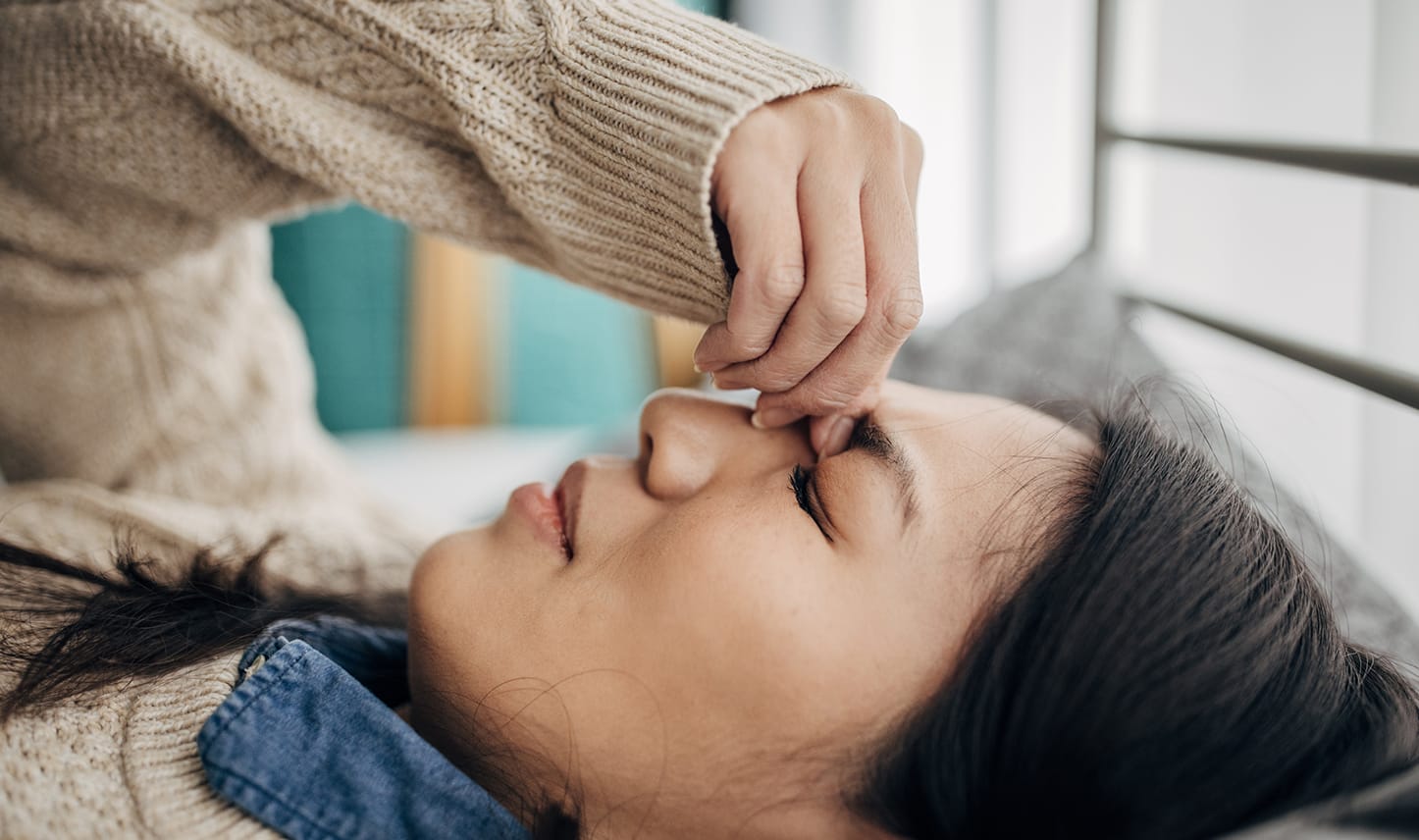
man with a headache

A Network of Specialists

Addressing these intertwined issues often requires a multidisciplinary approach from the Dion Health network involving dentists, neurologists, ENTs, functional medicine physicians, and other healthcare professionals. Diagnostic tools like imaging studies, dental exams, and assessments of jaw and muscle function help pinpoint the root causes of orofacial pain and its connection to migraines or headaches.


Migraine & Headache Treatment Options

Treatment strategies vary based on the underlying factors contributing to the pain. For TMD-related issues, interventions may include oral appliances, physical therapy, and lifestyle modifications to reduce jaw strain. Dental procedures to correct malocclusion or treat bruxism can provide relief.

The Importance of a Holistic Approach

Orofacial pain management often extends beyond symptom relief to address the broader well-being of individuals. Stress reduction techniques, relaxation therapies, and mindfulness practices can contribute to overall pain reduction and improve the quality of life for those grappling with these interconnected conditions.

Banner media

Choose us for your Migraine & Headache Pain

Migraines and headaches associated with orofacial pain form a complex nexus that requires a comprehensive and interdisciplinary approach for effective management available at the San Francisco Center for TMJ and Sleep Apnea.

Understanding the underlying causes and implementing tailored interventions can lead to improved symptom control and a better quality of life for individuals navigating these intricate health challenges.

Headaches and migraines questions

Can jaw problems cause headaches or migraines?

How is a jaw-related headache different from other headaches?

Can treating my TMJ help my headaches?

What treatments are used for jaw-related headaches?

Do I need a referral to be evaluated?

Can jaw problems cause headaches or migraines?

Tension in the jaw muscles and dysfunction of the temporomandibular joint can refer pain to the head, and are a recognized contributor to certain headaches and migraine-type pain. When headaches occur alongside jaw pain, clenching, or clicking, a jaw-related cause is worth evaluating.

How is a jaw-related headache different from other headaches?

Headaches linked to the jaw often come with jaw or facial tenderness, pain around the temples, clicking or limited jaw movement, and symptoms that worsen with chewing or clenching. A clinical evaluation helps distinguish these from other headache types.

Can treating my TMJ help my headaches?

When headaches are driven by jaw-muscle tension or joint dysfunction, addressing that underlying cause can reduce the frequency or intensity of the associated head pain for many patients. Results vary by individual and depend on the specific cause, which is why evaluation comes first.

What treatments are used for jaw-related headaches?

Depending on the cause, conservative options can include a custom oral orthotic to relieve joint and muscle strain, targeted muscle therapy, a bite evaluation, and stress or posture management. Care is matched to the specific factors found during evaluation.

Do I need a referral to be evaluated?

No referral is required to schedule an evaluation. If your headaches occur with jaw symptoms, a focused assessment can determine whether a temporomandibular disorder is contributing.

Related reading

Schedule Your Appointment

Contact Us Today
Accessibility: If you are vision-impaired or have some other impairment covered by the Americans with Disabilities Act or a similar law, and you wish to discuss potential accommodations related to using this website, please contact our Accessibility Manager at 415-570-2841.